A fully customised curriculum for every student. Kids from kindergarten through HSC. Adults at any stage, from absolute beginner to returning musician. NDIS and DVA participants welcome.
There is no one-size-fits-all curriculum. Every student receives an individual learning plan tailored to their goals, interests and ability — whether that means HSC music preparation, learning your first song, or coming back to an instrument after twenty years away.
John's primary instrument. Thirty years of professional performance. Twenty years of teaching from kindergarten through professional artists. Specialist in the Rhythm Focus Method™ — a research-backed approach to drum learning for the neurodivergent brain.
Acoustic and electric. Rock, pop, blues, classical introduction. Fingerpicking and plectrum technique. Chord theory built around the songs you actually want to play.
Four-string electric bass. The instrument every band needs and not enough players study. Walking lines, groove vocabulary, locking in with a drummer (especially this one).
Classical introduction or pop/contemporary depending on the student. Theory built into practical playing. Useful for HSC music students and as a complementary second instrument.
Vocal support taught alongside instrument lessons for students who want to sing while playing. Not classical voice training — practical microphone-and-mic-stand singing for the drummer or guitarist who needs to lead a song.
Use the studio for practice or to record your work. Useful for HSC composition projects, for assessment evidence, or for students wanting to capture their progress to listen back. Ask about availability.
Over twenty years, I've developed a structured way of teaching that works for the way neurodivergent students actually learn. It is the methodology behind two forthcoming books and the core of how lessons run in the studio.
The Method is built on four pillars and one rule: short, focused, daily practice beats heroic Saturday sessions every time. It works for ADHD and neurodivergent learners specifically, and works for almost everyone else as a side effect.
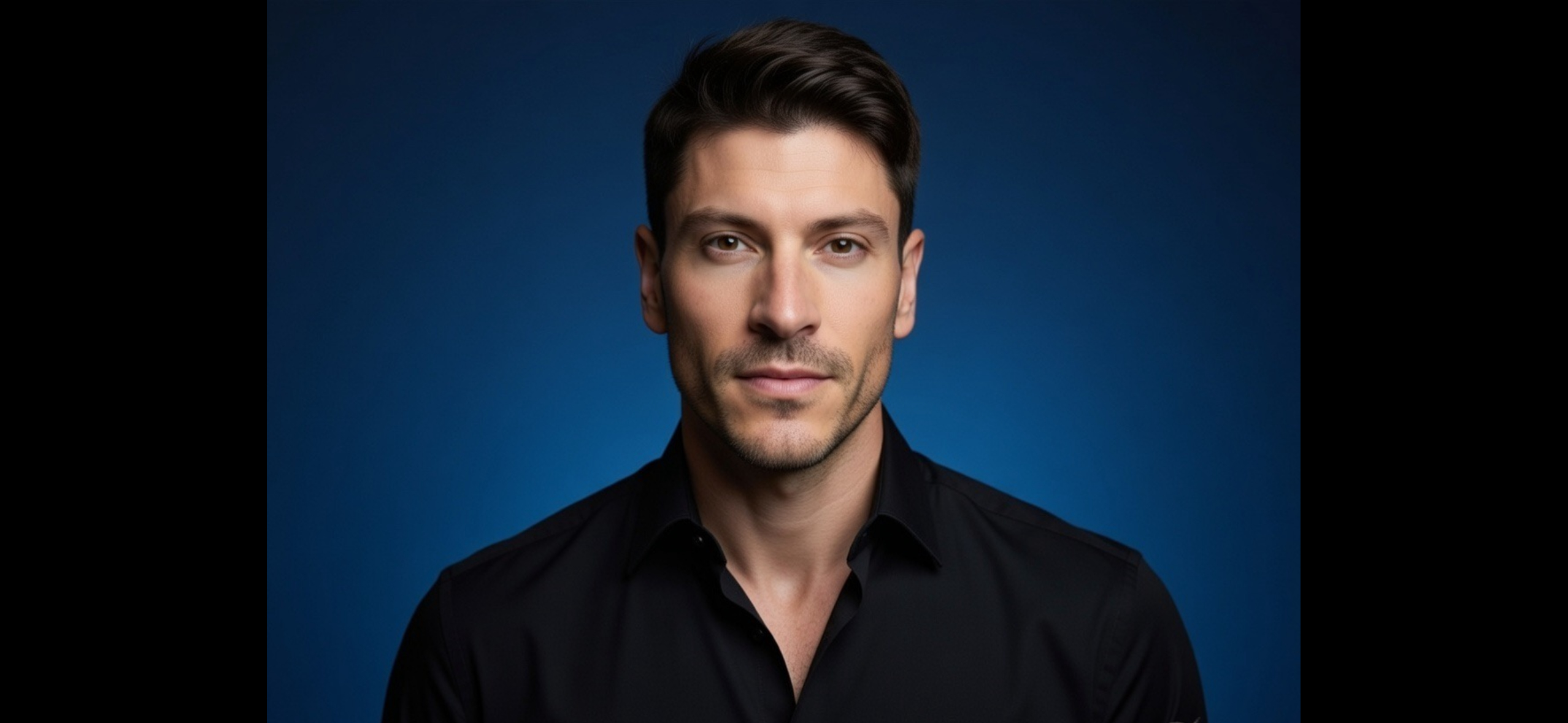
I am a professional musician with thirty years of performance experience and twenty years of teaching experience. I teach drums, guitar, bass, and additional vocals at my private studio, the Illawarra Drum & Music Academy, in Flinders, Shellharbour.
I began performing professionally in my early years, playing a wide range of venues. I started teaching in my late teens and have worked with students across all ages — from kindergarten through Year 12, young adults, and adults. My students include emerging musicians through to professional performers, including an ARIA Award winner: the 2024 Michael Gudinski Breakthrough Artist of the Year.
If a student has the desire to learn and improve, we can help them reach their goals.
I support students with:
I hold a Professional Certificate in Neurodivergent Affirming Practices and am experienced in supporting neurodivergent learners. I also work with NDIS and DVA participants.
Alongside my private studio, I work with Corpus Christi High School and contribute to broader music education in the Illawarra.
Send a quick enquiry through the form below or call. Tell me a bit about you or your child, the instrument you'd like to learn, and your goals. I'll come back within 24 hours.
We meet for an initial lesson. It's a chance to see if it's a good fit, talk through what you want to learn, and start playing immediately. No obligation to continue.
Weekly lessons, same day and time, with a customised lesson plan that adjusts to your progress. Term-aligned to the school calendar where useful.
You leave each lesson with a clear, structured practice plan for the week. The Rhythm Focus Method™ asks for short, focused sessions rather than long ones. Realistic for a busy life.
NDIS and DVA participants welcome — I can invoice directly to your plan manager. Get in touch to discuss the details.
John has been teaching my son drums for nearly two years now. He didn't think he could sit still long enough to learn. Today he plays the back-beat to half the songs on the radio without thinking about it. The change has been quiet but absolutely real.— Parent of student, Wollongong
I came back to drumming at forty-three after twenty-five years away. John's method is the first time anything has felt sustainable for the kind of brain I have. Twenty-five minutes a day, five days a week, and somehow the kit is still in my living room a year on.— Adult student, returner
John worked with our daughter through her HSC music year. He was knowledgeable, patient, and treated her as a real musician rather than a student to be corrected. She passed with a result we didn't think was possible.— Parent of HSC student, Shellharbour
I'd been told I was too old to learn. I'm fifty-five. John was the first teacher who didn't blink at that. I'm playing now. Nothing changes a person quite like learning something they were told they couldn't.— Adult student, first-timer
All testimonials anonymised at request. Real student feedback collected with consent.
I take students from kindergarten age (around 5) for drums and piano. Guitar and bass typically work better from age 7 onwards because of grip-and-hand-size considerations. The honest test is whether your child can sit at the kit for fifteen minutes with you in the room. If yes, they're ready.
No. About half my current adult student cohort started drumming in their thirties, forties, or fifties. The method works particularly well for adults whose brains don't fit the traditional "practise an hour a day" template. Drumming past fifty is, in my experience, more rewarding per session than at any other adult age.
Yes. I'm experienced in supporting neurodivergent learners and hold a Professional Certificate in Neurodivergent Affirming Practices. I can invoice directly to your NDIS plan manager. For DVA participants, the same applies. Get in touch to confirm the specifics for your situation.
If you don't have a strong preference, drums are the easiest first instrument for the ADHD brain because of the immediate physical feedback. Guitar is the most flexible long-term — easy to bring to a campfire, plays well in most popular music. Piano is the best foundation if music theory is the long-term goal. Voice / additional vocals work alongside any instrument. We can talk about it in your first lesson.
Yes. The first lesson is a no-obligation chance to meet, talk through what you want to learn, and see if it's a fit. If after the first lesson it's clearly not right for any reason, no follow-up booking required.
Flinders, Shellharbour NSW 2529. Easy access from Wollongong, Shellharbour, Kiama, and the wider Illawarra. Full address shared on booking confirmation.
I support HSC music students with instrumental development, assessment and assignment work, performance prep, and composition support. I have current relationships with several Illawarra schools and can coordinate with your music teacher if useful.
Absolutely. If your child is already in lessons elsewhere and you want supplementary support, or transition between teachers, I'll work alongside whatever curriculum is already in place. The Rhythm Focus Method™ is designed to be additive, not exclusive.
Tell me a bit about you (or your child) and I'll come back to you within 24 hours with availability and the next-step plan.